
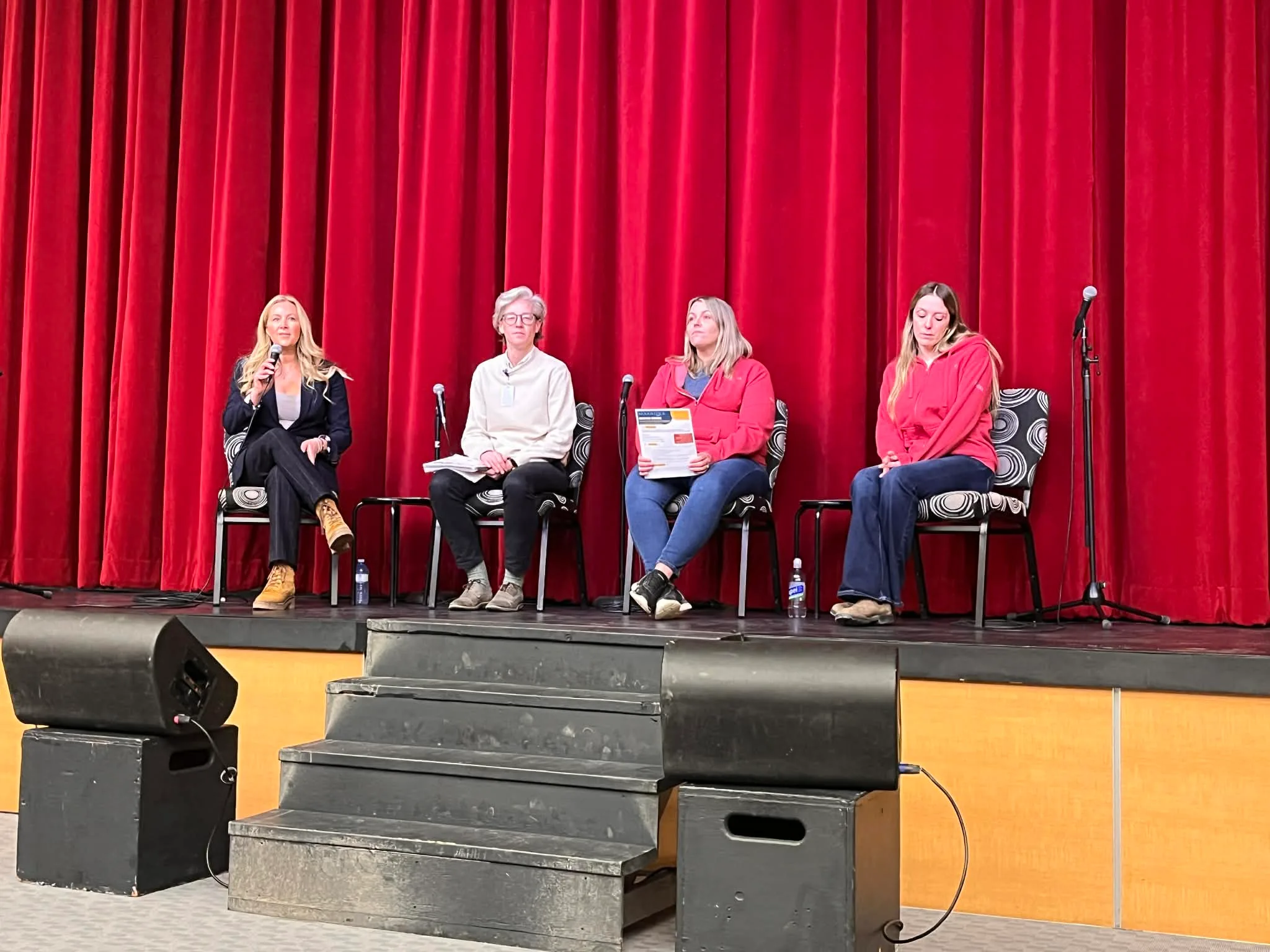
Session first of two getting public input on how to help the unhoused
On Feb. 25, Kayla Kinney and Alissa Stairs helped a client move into a home. The two women are Community Outreach staff.
Months prior, their client wasn’t convinced they even wanted help from the two women, but Kinney and Stairs were used to that. They kept checking in, and over time, their client finally agreed to let them help.
Now, all that patience and persistence was paying off.
Kinney and Stairs enthusiastically toured their client’s new apartment. They helped them move their bed in and made sure they had everything needed to start off life in their new home right, from food in the cupboard to toilet paper and a towel in the bathroom.
That same day, they also helped another client file their taxes and, with the help of the Valley Food Bank, made sure six other individuals were properly fed. It was a good day for the duo that makes up the homelessness outreach team for Western New Brunswick, but it was also a pretty typical workday for them.
That evening, they joined Louise Lockhart, a registered nurse with the Department of Health, and the Mayor of Woodstock, Trina Jones, discussing their work and what they’ve learned about homelessness in this area.
The Community Outreach pilot project began in the fall of 2024. At the time, homelessness was a growing concern, but they didn’t have enough data to fully understand the needs in this area.
“We really didn’t have much information,” said Mayor Jones. “Before pulling the trigger, like putting a homeless shelter in place or any other type of emergency shelter, we really didn’t know who we were serving and what they needed.”
Part of the challenge in a rural area is that homelessness is often invisible, unlike in urban areas, where you might see people panhandling or sleeping in the streets.
“A lot of people think that homelessness looks like what you see on TV. That’s not what it looks like here,” explained Kinney.
In this area, homelessness is couch surfing, or tucking in at night somewhere discreetly away from other people. Sometimes it’s someone who works all day and sleeps in their car at night.
Another challenge is that many don’t seek out help. Most people prefer to try to resolve their issues on their own. But when you don’t have a financial buffer or a safety net of family and friends, that can be difficult. People who have been in the foster care system, for example, make up a disproportionately high percentage of the homeless population, ranging in the mid-30 per cent.
The outreach also deals with those who are inadequately housed. They have a place to stay, but it might not have power, water, or be structurally sound. Sometimes it’s living in precarious situations, such as domestic violence. Kinney and Stairs have seen a wide variety of versions of homelessness.
“Once you develop a lens of homelessness, you really start to see it,” said Stairs, “Once you see it, you can’t unsee it.”
There are many misconceptions about homelessness. One of the common beliefs is that addiction often leads to homelessness, but the data revealed that wasn’t true. Approximately 15 per cent of people who first become homeless use illicit substances. But after one month of living on the streets, the number of people using jumped to 75-80 per cent. This is due to a variety of factors, including the overwhelming stress of sleeping rough in unsafe conditions. People begin using it to cope. There’s also social pressure from the people they band together with on the streets in an attempt to feel protected and included.
“It’s not drugs that are driving people to homelessness; often, it’s homelessness that’s driving people to drugs for the vast majority of cases,” said Lockhart.
There are many different causes of homelessness, including family relationships breaking down, illnesses and childhood trauma. One major factor contributing to the increase in homelessness is the cost of living rising without incomes keeping pace with it. Some working people can no longer afford their rent, which has increased by 35-40 per cent. That’s especially difficult when the cost of other things you need, like food, energy and fuel, has also gone up.
“Homelessness has been on the increase across Canada. New Brunswick is not an exception. New Brunswick has seen a tripling of it in the last four years,” stated Lockhart.
Rising housing costs are difficult because for most people, it’s their largest single expense. People will cut back everywhere else first before giving up on housing, whether that’s eating less and differently, driving less, or turning their heat off – anything they can do to avoid losing their home.
“There’s no wiggle room,” said Lockhart. “You either pay your rent, or you don’t.”
Lockhart also explained that it was a tricky issue for both landlords and developers. They might want to provide more affordable housing for the market, but with their material and building costs rising as well, they can no longer feasibly offer a new apartment for $500 in rent and still make a profit.
In the future, housing will need to be handled more creatively to meet the need, including some non-market, non-profit, and public housing options.
Much of what the outreach team does is through problem-solving. Every client they meet has different requirements. They listen to their stories and try to figure out how to help. Sometimes it’s by giving them a cell phone for emergencies, helping them get new IDs, and often by referring them to services or organizations that could best help them.
Currently, funding for their project comes from the Department of Social Development, fundraisers, and support from churches and individuals throughout the area.
Mayor Jones said there is substantial evidence that investing in someone at the beginning of their struggles saves the community money in the long term.
“I can do the math and know that you’ve paid for yourself already just with the one case study that we did,” said Mayor Jones, “We see it every day, the impact that you’re having that is going to save money in general to offload the pressure from the hospitals, from the jails, which are much, much, much more expensive daily cost than the girls reaching out to them and working with them for a month or so to get them into a better situation.”
Monica Grant from the Valley Food Bank said, “I just want to say that without the outreach team, I have folks that would not get fed,” said Monica Grant from the Valley Food Bank. “These two rock at what they’re doing,” she said, praising Kinney and Stairs.