A resource community with heart, residents talk about why Nackawic-Millville is special, and what could make it better as they head to the polls
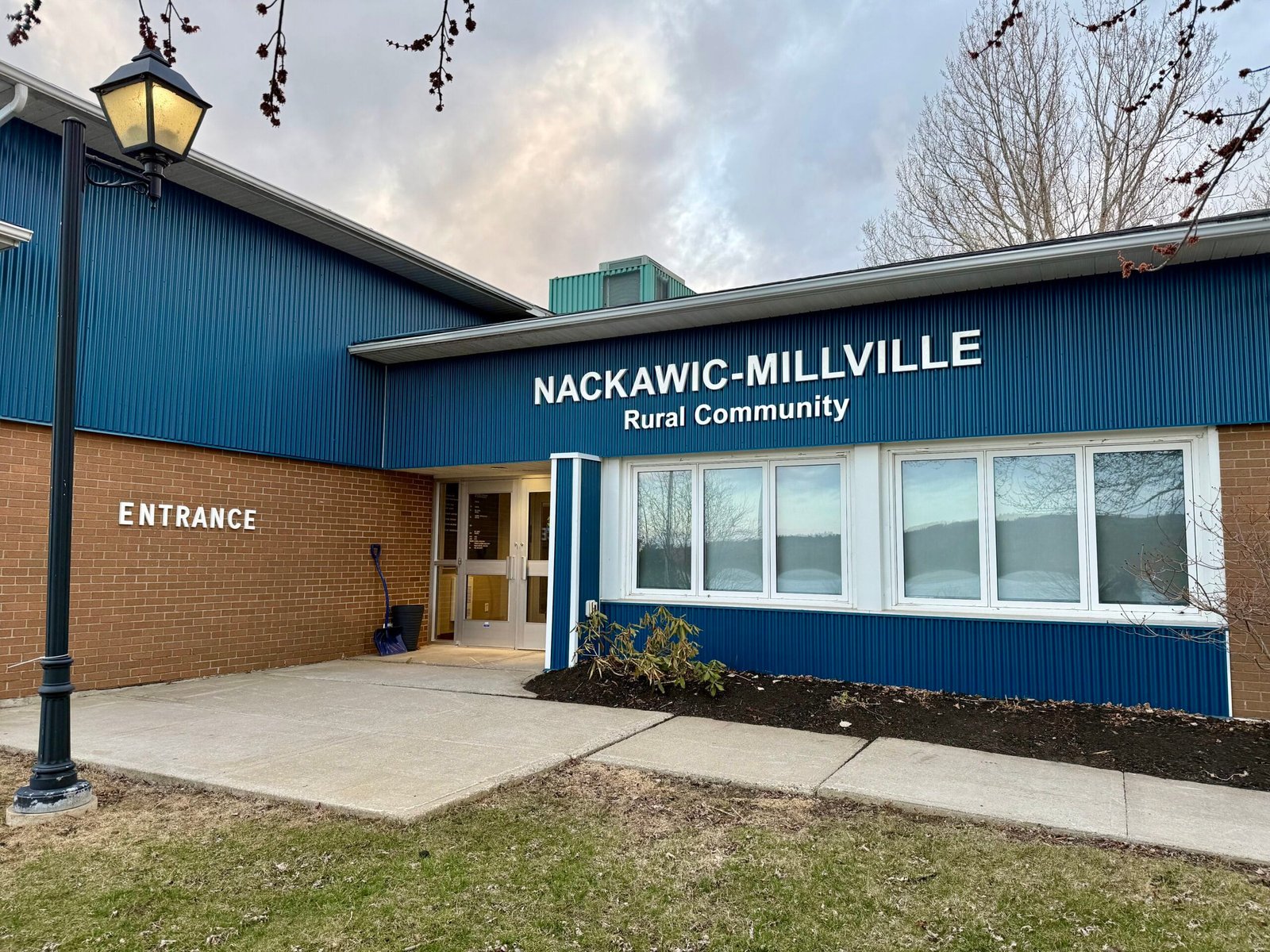
The Nackawic-Millville Rural Community began well before amalgamation. Its transformation started in the 1960s, when the Mactaquac Dam was constructed.
The flooding of the region, which formed the Mactaquac Headpond, forced the population to higher areas in Southampton, Queensbury, Dumfries, Millville, and Nackawic.
In 1970, a pulp mill was constructed in Nackawic. It was a natural spot, allowing the operation to take advantage of the surrounding forests. The community’s woodland history was honoured when Nackawic was named the Forestry Capital of Canada in 1991. Shortly after, the World’s Largest Axe was erected to commemorate the designation.
The India-based AV Group mill in Nackawic is the community’s largest employer.
During the 2023 amalgamation, the nearby Village of Millville and the local service districts of Southampton, Dumfries, and part of Queensbury joined the Town of Nackawic. The Nackawic-Millville Rural Community has a population of approximately 4,400, with an average age of 46-49 years.
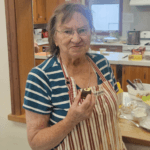
Leanne Mabie is mom to three busy boys. She’s lived in the community for eight years and runs a small business while raising her young family.
Mabie feels that one of Nackawic-Millville’s greatest strengths is the deep support residents offer one another.

“Over the past few years, we’ve faced significant tragedies, but each time, our people come together—offering help, showing up in the darkness, and standing side by side”, said Mabie.
She feels that sense of unity doesn’t just appear in difficult moments; it carries into the community’s successes as well.
“When one person does well, the whole community celebrates. It’s that shared resilience and connection that defines who we are. Nackawic is a place where people genuinely care, and it makes all the difference,” she said.
In every community, there are challenges, and Mabie feels that one of the challenges in small rural communities is limited access to resources across the board, including law enforcement.
“With fewer officers covering larger areas, response times can be longer and there is often less ongoing presence in the community.”
She feels that this can contribute to concerns about safety and, in some cases, an increase in certain types of crime- particularly when combined with economic pressures.
“These challenges place more stress on our residents, who rely on each other for support and safety,” said Mabie.
Gail Farnsworth, a former councillor with the Town of Nackawic, said there are many positives in our community, including its amenities. She pointed to the mall as one example. It currently has an expanding health clinic, which she feels is very important to the community. She also pointed out the recreation facilities and the surroundings.
“We appreciate the view of the river and walking trail,” said Farnsworth. “And the peaceful environment. Residents are very friendly and helpful,” she said.
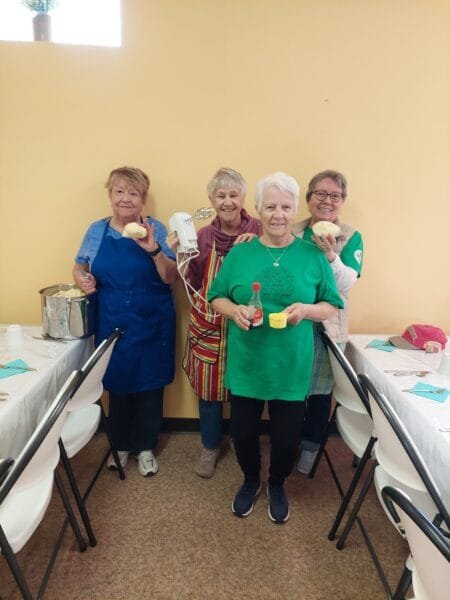
Farnsworth would like to see a nursing home built in the area, more senior housing and transportation. She would also like to see more events and activities for pre-teens and teens. She mentioned that the geese are an ongoing issue along the waterfront. Farnsworth would also like to see more child care facilities and more jobs that pay a living wage, beyond the local mill, which she says creates a need for other businesses.
“For the most part I am pleased with how our municipality is being run but I was disappointed in the number of candidates that put their names forward for the municipal elections and the lack of women candidates,” said Farnsworth.
“Nackawic-Millville is a great community to live in,” said Farnsworth
Local resident, Holly Christie, said she and her husband both grew up in communities surrounding Nackawic.
“We settled back here after we were married, and we’ve raised our kids here. Not only do I see the value in our area as a resident but, as a local realtor. I’m always proud to have the opportunity to showcase what we have to offer to newcomers,” said Christie.

She said that when she speaks with prospective buyers about key features of the area, she immediately goes to the tangible things one might see as a resident. Some of those things are a grocery store, bakery, retail, pharmacy, gas station, coffee shop, restaurants, a bowling alley, building supplies, garden centre, hairdressers/barber shop, aesthetics; not to mention the recreation facilities like an arena, golf course, marina and a downhill ski resort, the local schools where kids grow up together and form lifelong friendships.
Christie points out the health centre that she feels is vital to the community and supports the residents, including doctors, and a team of Physiotherapists, Chiropractors, a Massage Therapist, and a Social Worker, the many local businesses that employ the residents, plus a motel, campgrounds and several AirB&B’s that she says encourage local tourism.
But she said there is also the intangible.
“The things that you can’t quite put your finger on but, you know, make the area special,” said Christie.
“There is the way we all come together to support and care for one another. It is a place where ‘everybody knows your name,’ and people stop to chat in the isles of the store. It is where teachers know every student by name. Where we cheer for each other’s kids and, you know that if you needed something or your family was struggling, that the community as a whole is there to support you,” said Christie.
Christie went on to say that the community truly values its seniors, offering several programs and outreach resources that help them maintain a sense of connectedness.
“Many of them have lived here since the town’s inception, and we strive to honour them. There is a true sense of togetherness and pride that comes from those that live here and from those who grew up here. Just ask anyone that lived here in the 80s what it was like as a kid. On the whole, they will say it was the best place to grow up. I still believe it is,” Christie said.
She said that although the community brings so much to the table, including its spectacular location along the Saint John River, it also has its challenges.
“Like many small towns and villages, attracting more commercial business is imperative for our community to survive and thrive. If we are able to do that, we would hopefully see an increase in young families settling here, raising their kids here, and spending their dollars here, thus helping other local businesses continue. We need more programs to engage our children and services that meet the needs of those less fortunate. Our roads need attention.
Christies feels it is about changing the dialogue from ‘why would you live here?’ to ‘why wouldn’t you live here?’
“Don’t focus on the shortcomings that people believe small communities are known for, but, rather, note all the benefits that come from being part of something that is close-knit. It’s a connectedness like no other.