Organizers hope to turn unused Town Hall space into a home for local history
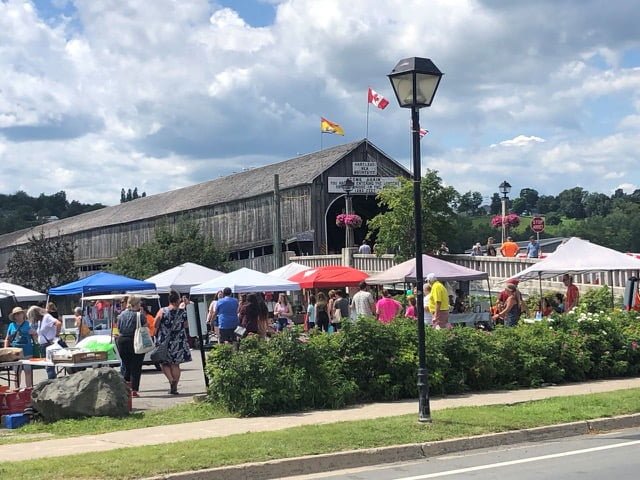
Hartland’s covered bridge may be the town’s best-known attraction, but a proposed museum at the town hall would tell the wider story of the people, industries and events that shaped the community around it.
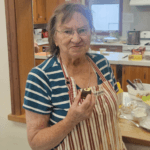
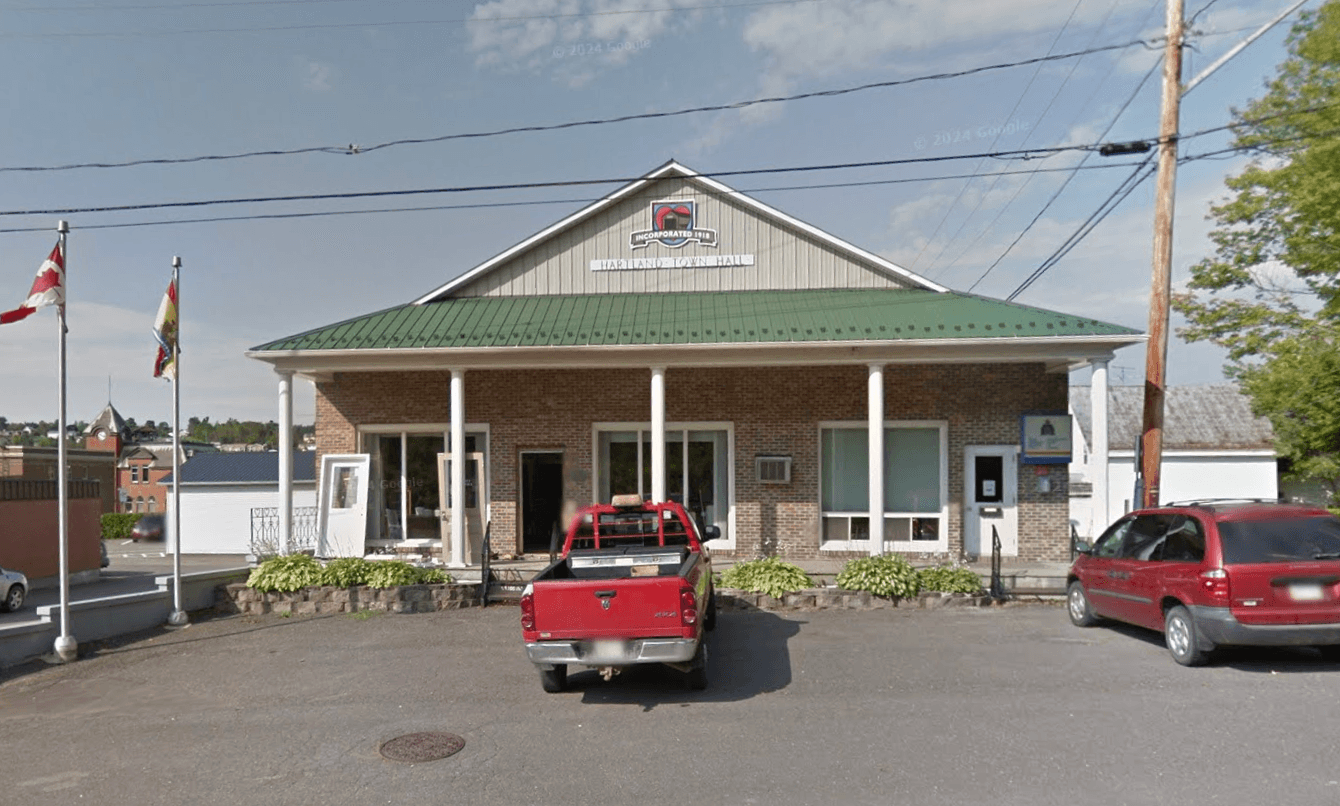
Local historian and author Doris Kennedy is working with several others to establish the Hartland Historical Museum Society. Organizers hope to use the former community room at Hartland Town Hall, but Kennedy said she is still awaiting confirmation from the town.
If the town approves the request, volunteers could begin preparing the space this fall, with the museum potentially opening in the spring of 2027.
“Administration is compiling a prospective list and costing to determine what changes/upgrades would be required,” said Deputy Mayor Stewart Fairgrieve. “There is general support for the museum concept and council intends to work with the group… to ensure we all move in the right direction.”
The room already has heat, lighting, washrooms, and a kitchen. It also includes space for storage and secure artifact displays, allowing the museum to begin without purchasing or renovating another building.
“The first thing is to have a home for the Hartland Historical Museum Society,” Kennedy said. “There is a lot of empty space there, perfect for this start-up. We already have a group of eight, but I know of many people who would be interested.”
Early work would include incorporating the society as a nonprofit, selecting an executive and developing policies for accepting, cataloguing, storing and displaying artifacts.
Organizers intend to consult the New Brunswick Provincial Archives and other historical organizations as those procedures are developed. The Keswick Museum Society has already provided policies, regulations and advice based on its experience operating two historical buildings.
With that advice in hand, the proposed society could begin assessing collections and deciding how material should be preserved and displayed. Some of the first artifacts are already inside Town Hall.
Kennedy said Hartland native and late Senator Neil McLean donated letters, books and other historical items when the building opened in 1965. Some date back to the first settlers, but the collection is rarely seen, and many residents may not know it exists.
Those items could provide an early foundation for exhibits covering a much wider range of Hartland history.
Potential subjects include the town’s mills, farms, factories, schools, churches, newspapers and wartime contributions. Displays could also examine major fires and floods, log drives, ferries, ice bridges, the international salmon pool and a fort built in the area in 1792.
Kennedy said local history is not always being passed on to younger generations.
“Children today receive little history, little to none of their own local history,” she said. “Generations before us need to be recognized for their loss, their resilience and their passion for keeping this town alive. We need to preserve, as much as we can, their story and the artifacts, and be the keepers of their roots, our roots.”
Oral histories would also form a significant part of the museum.
Kennedy recovered cassette recordings made by students who interviewed Hartland-area seniors as part of a Canada Studies program in the 1970s. She later transferred and transcribed the recordings, adding to the numerous interviews she already had.
“They are full of history, full,” she said. “They include the first cottage-style hospital, a blacksmith’s recollections, home births, mills, Indigenous encampments, buried treasures, horse races on the ice and what happened in Hartland when the young men left for the wars.”
Plans call for more than permanent displays. Organizers are considering rotating exhibits, guest speakers, genealogy workshops and partnerships with local schools.
Young people could also become part of the museum’s programming. One proposal would see students perform scenes from historical plays during the tourism season.
The museum could also give visitors another reason to remain in Hartland after seeing the covered bridge.
Promotion could include signs near the bridge, provincial tourism listings, rack cards, social media and a museum website. Kennedy said word of mouth proved particularly effective when she operated the Covered Bridge Bed and Breakfast.
A website for the proposed museum is already being prepared as a central place for residents and former residents to contribute stories, offer financial support or identify historical material they may be willing to share. Much of Hartland’s history remains scattered among private homes, old recordings, family albums, newspaper archives and personal memories. Artifacts could be donated to the permanent collection or loaned for temporary exhibits, allowing families to share them without giving them up.
“People want to learn about towns like ours because they’re disappearing or changing beyond recognition,” Kennedy said. “It reminds people that significance isn’t measured by size, but by impact, memory and the lives shaped there.
“In short, our town matters because it proves that even the quietest places can echo far beyond.”