Conservation council rejects move, calls province’s moratorium reassessment step in wrong direction
The government is launching a public review to examine whether the conditions associated with the province’s moratorium on natural gas development still reflect today’s science, technology, market and regulatory best practices.
The review is part of the government’s broader work to explore all options for strengthening New Brunswick’s economy and creating new opportunities in a changing global economic and geopolitical environment.
The government is pursuing opportunities in areas such as critical minerals, defence, strategic infrastructure and ports, while also examining the province’s natural resources and energy potential.
“New Brunswickers and our province are facing significant economic pressures, and we have a responsibility to leave no stone unturned as we look for opportunities to strengthen our economy and create good-paying jobs for New Brunswickers,” said Premier Susan Holt.
“That means being willing to ask difficult questions and doing the homework before making decisions. Today, we are launching a five-month review and inviting New Brunswickers to help inform the work. Nothing will be decided without listening to New Brunswickers and considering the evidence.”
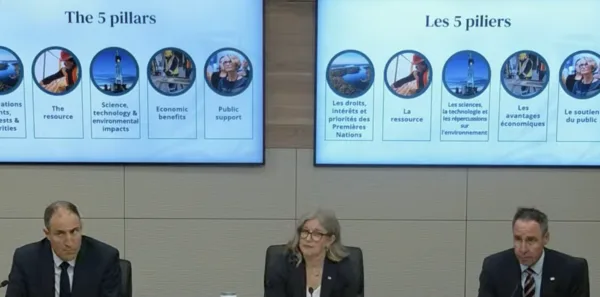
The review will consider five key areas:
· First Nations rights, interests and priorities: The perspectives, priorities and information needs identified by First Nations leadership and communities, including potential approaches to partnerships, governance, benefits and safeguarding the environment.
· The resource: The size and nature of New Brunswick’s natural gas resources and the current state of the industry.
· Science, technology and environmental impacts: What the latest science says about potential impacts on water, health and the environment, as well as advances in technology and methods for developing natural gas resources safely.
· Economic benefits: How royalties, jobs, investment and other economic benefits could deliver value to New Brunswickers and communities.
· Public support: The views of New Brunswickers, communities and stakeholders on the potential for responsible natural gas development.
The review will include technical analysis of current science, technology, and regulatory practices, as well as public engagement. The government will meet with First Nations, local governments, industry and stakeholders, and will provide opportunities for all New Brunswickers to participate.
Natural Resources Minister John Herron said the review will ensure the government’s understanding of natural gas development is informed by modern evidence and technology.
“New Brunswick has significant natural gas resources, and we know changes in the industry offer new information about whether these resources can be developed safely and responsibly,” said Herron.
“This review will look at the latest science, technology and regulatory practices so we can understand what responsible development could look like, and whether the conditions behind the existing moratorium reflect today’s landscape. We need to do that work before deciding what, if anything, should change.”
The review will also examine the economic potential of the resource, including the potential for jobs, capital investment, royalties and other benefits.
Indigenous Affairs Minister Keith Chiasson said First Nations rights, interests and priorities must be central to any conversation about the province’s natural resources.
“We recognize that any conversation about natural resource development must include First Nations from the beginning,” said Chiasson.
“We have initiated dialogue at our government-to-government leadership table, and this review provides an opportunity to continue that dialogue and ensure their perspectives and priorities are understood and considered.”
The government has also established a technical working group with First Nations to share information, bring technical expertise to the discussion, and identify key issues for consideration. The first meeting of the working group was held on Monday.
Despite this, The Conservation Council of New Brunswick (CCNB) is against any move to lift New Brunswick’s moratorium on hydraulic fracturing and reopen the province to natural gas development.
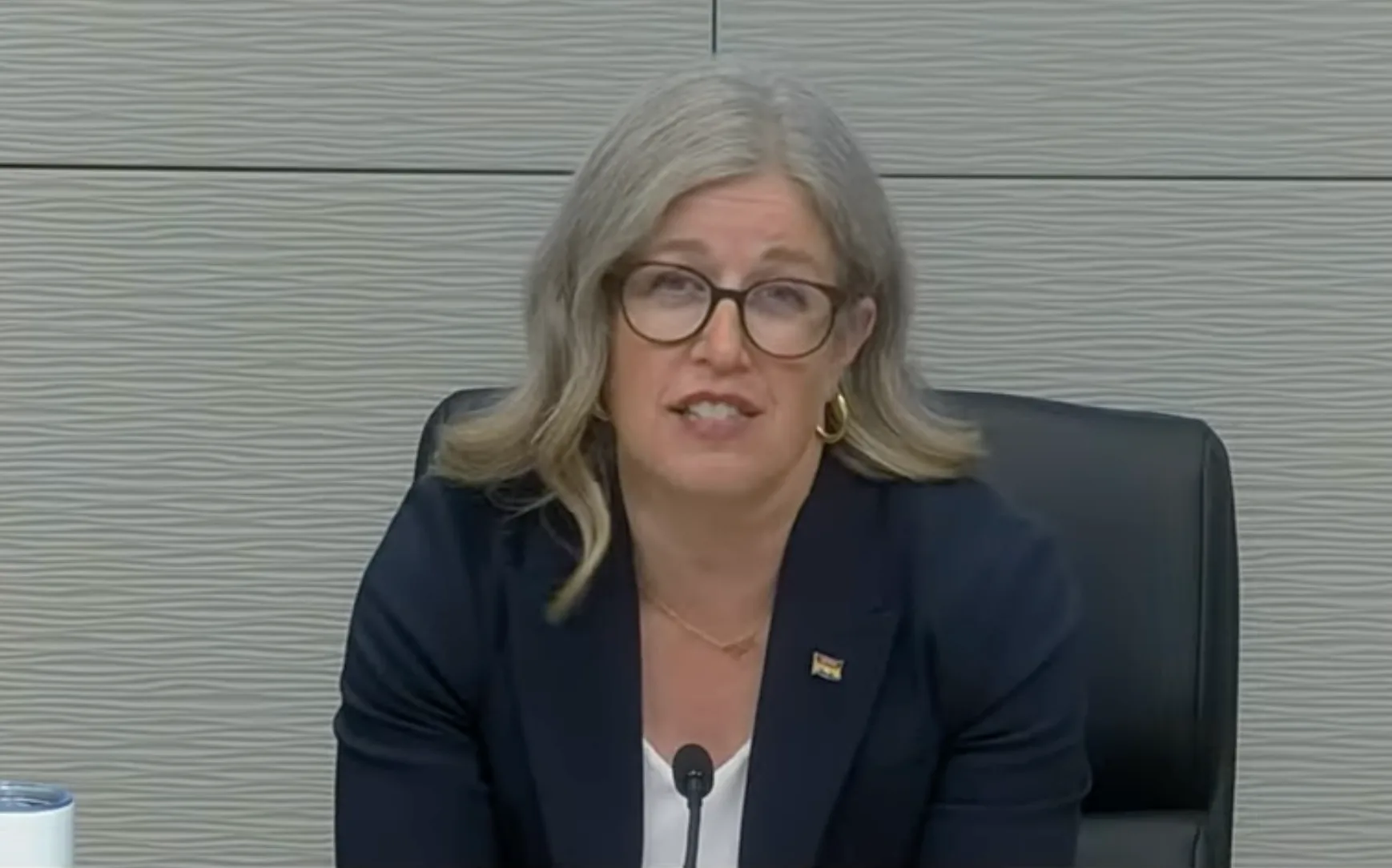
Why in the world would we open New Brunswick to a new fossil fuel industry now?” said Beverly Gingras, Executive Director of the Conservation Council of New Brunswick.
“We know what burning fossil fuels is doing to our climate. We can see the consequences around us. We can see where global energy markets are heading. Starting down the road of new natural gas development in 2026 is not forward-looking economic development. It is a step backwards.”
Many jurisdictions around the world are investing heavily to move away from fossil fuels.
The CCNB argues that reopening the province to natural gas development makes no sense. They stated that New Brunswickers are paying for the impacts of climate change with floods, extreme weather, coastal erosion, wildfires, infrastructure damage and rising insurance and adaptation costs.
Burning fossil fuels releases greenhouse gases into the air. Natural gas is primarily methane, a strong greenhouse gas.
CCNB also rejects the argument that lifting the moratorium is necessary to improve New Brunswick’s energy security.
“Energy security does not mean producing more fossil fuels,” Gingras said.
“It means having energy that New Brunswickers can depend on and afford. Real energy security means reducing our exposure to volatile fuel markets, not doubling down on them.”
CCNB says a gas well in New Brunswick does not automatically translate into affordable or secure energy for New Brunswickers.
“If this is really about developing gas for export and attracting private investment, then the government should call it that,” Gingras said. “Don’t sell an industrial development strategy to New Brunswickers as energy security.”
Exploration, regulatory approvals, drilling and infrastructure development would take years before significant new supplies could reach the market.
The CCNB suggests New Brunswick should pursue energy security by reducing the amount of imported and purchased fuel the province needs in the first place. That means investing aggressively in energy efficiency, renewable electricity, storage, transmission and regional electricity cooperation.
“The cheapest and most secure energy is the energy we don’t have to use,” Gingras said. “And if the government wants made-in-New-Brunswick energy, let’s talk about resources like wind and solar that don’t require us to keep buying fuel and that will still be available to us decades from now.”
CCNB says Europe’s recent experience reinforces the dangers of fossil fuel dependence. Energy insecurity and volatile fossil fuel markets have helped drive major investments in renewable energy, efficiency and electrification.
“New Brunswick absolutely needs energy security,” Gingras said. “But lifting the moratorium on hydraulic fracturing is not an energy-security strategy. We should be building the energy system we will need 20 and 30 years from now, not reopening the fossil fuel debates of the past.”
Details on engagement opportunities and updates during the process will be available on the government’s website.