Cuts to public vet services have rural NBers worried about access to medication, emergency care, essential testing
On Saturday, March 18, the province’s Department of Agriculture, Aquaculture and Fisheries announced that it will be transitioning veterinary and laboratory services to the private sector.
“We understand that our decision to transition government-funded provincial veterinary field services, as well as provincial veterinary lab services, to the private sector is upsetting for employees and current clients who are affected,” said Pat Finnigan, Department of Agriculture, Aquaculture and Fisheries Minister.
The cut will be phased in over three years: equine services end Dec. 31, 2026; public vet services end March 31, 2027; and lab services end March 31, 2028.
Finnigan explained that the department made this decision to focus efforts on New Brunswickers’ concerns about health care, cost of living, and the education system, signalling a shift in priorities.
For long-time horse owner, Carolyn Wanamaker, the cut means she will no longer be able to keep the passion afloat. Horses require high-maintenance care that can only be done by a professional, such as vaccinations, dental work, Equine Infectious Anemia (EIA) tests, and health certificates for travel to the U.S.
“If I travel to a competition outside [Canada], I need a health certificate that the vet does, I need an equine infectious anemia test, and I need the paperwork. I won’t be able to compete without vaccinations at a lot of competitions within New Brunswick,” said Wanamaker.
“I’ll probably sell my horse after showing for over 50 years.”
Wanamaker is also worried that the cut will impact the economy. As a former board member of the New Brunswick Equestrian Association, Wanamaker says there are approximately 17,000 horses in the province. Wanamaker says that if other horse owners choose to sell their horses, fewer will be available for purchase.
Horse owners depend on hay, grain, equipment, and trailers to care for their animals. A decline in the horse population would reduce the need for these products, which could negatively affect local suppliers, feed stores, and small businesses that rely on equestrian customers.
“Everybody’s buying hay, bedding, shavings or straw, and grain for their horses. There are tack shops around the province that will suffer if the population goes down,” said Wanamaker.
Margaret Johnson, Progressive Conservative MLA for Carleton-Victoria, believes the decision is “ill-conceived and poorly rolled out.”
The former agriculture minister says one year isn’t enough time for veterinarians to develop a new business plan, adding that many won’t even have the option to join a stable clinic, especially equine owners who have already bred their horses.
The lack of communication with those directly affected by the cut bothers Johnson the most.
“That reflects an absence of respect, professionalism, and transparency,” she said. “Our veterinarians deserve better. Our agricultural producers deserve better. And rural New Brunswick deserves better.”
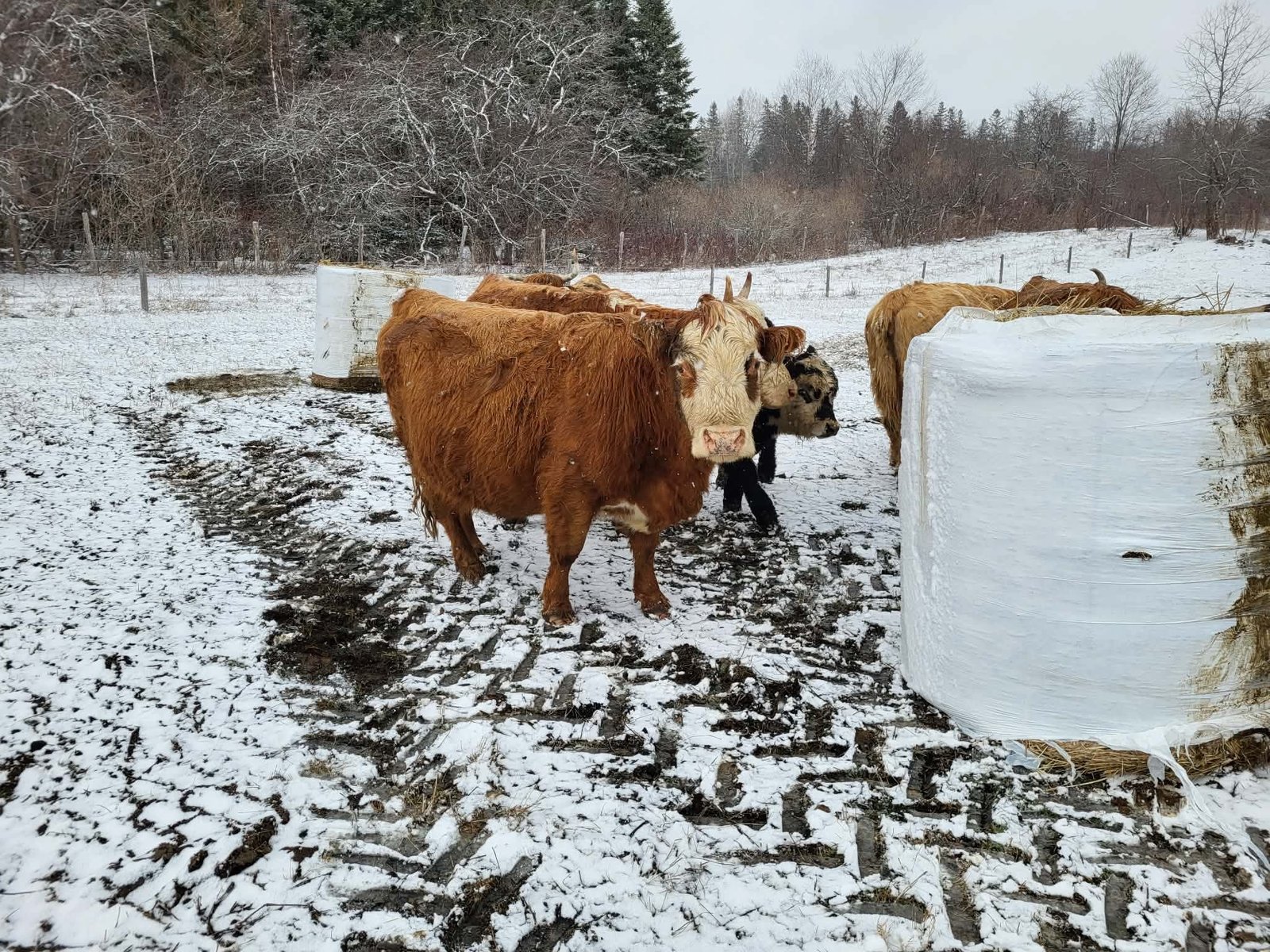
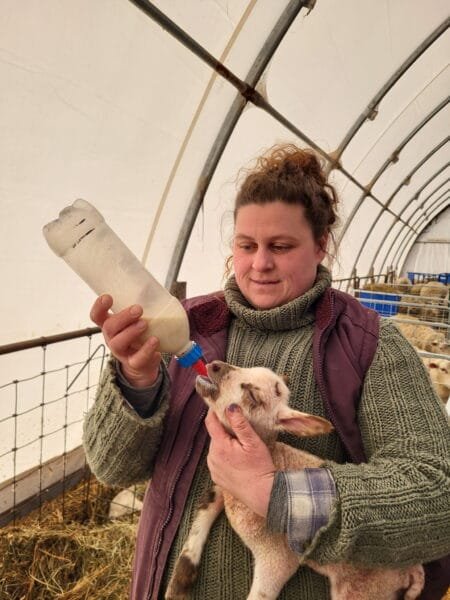
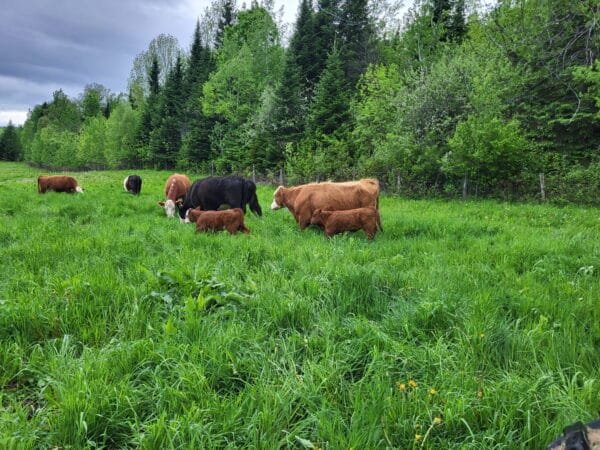
Rylie Coté-DeMerchant is one of many New Brunswick farmers affected by the cut. He has been raising livestock since the age of 10, but began to formally farm 15 years ago when he and his wife purchased six sheep. The two now have 90 ewes and 30 cows.
“I just, I couldn’t believe it. I feel that this seems a little bit vindictive. It almost seems like we [New Brunswick] haven’t wanted these vets for a long time, and we’re tired of dealing with people, so here’s our opportunity to cut them loose,” said Coté-Demerchant.
He is skeptical as to how much the province will save financially. Conservation officers will still use the laboratories to process poachers, and an office for chief veterinarians will still exist.
“By the time they’re going to still end up paying for a certain amount of lab fees. Conservation officers use the lab so that they can process poachers. I don’t know if the vet lab was billing the public safety before, but (our operation is certainly going to bill public safety,” said Coté-DeMerchant.
He’s also concerned with how he will access medication for his livestock. Farmers and large-animal caretakers alike must establish a vet-client relationship to purchase antibiotics such as penicillin.
Without provincial vets, he fears he won’t have access to the necessary medication, which worries him about his animal’s welfare. Emergency care is also a factor Coté- DeMerchant has on his mind.
Life will change for livestock owners, whether that means selling their animals or taking matters into their own hands. Coté-DeMerchant is just one of many who are unsure of what the future will look like.
“My biggest concern is that when I need to be able to call a vet to deliver that stuck calf, I’m not going to be able to get somebody. And then I’m going to be the one, emotionally and financially, who’s going to have to go bury that cow,” said Coté-DeMerchant.