Company claims it was underinsured at time of fire
The Covered Bridge Potato Chips Company is suing its insurance company and two brokers.
On Feb. 27, 2026, the company’s lawyer, Michael Parrish of Fasken LLP in Vancouver, filed statements of claims against Co-operators General Insurance Company and brokers David Asbell (David Asbell Insurance) and Corey Thompson (Corey Thompson & Associates). Since 2007, the snack company has insured its business through Co-operators, specifically Asbell’s office in Woodstock. In 2022, Asbell sold the brokerage to Corey Thompson of Fredericton.
One suit claims the insurance company has not paid out what is owed to the Covered Bridge Potato Chips Company; the other lawsuit alleges that Asbell and Thompson were negligent for underinsuring the company.
Brownwyn Martin is a lawyer specializing in insurance litigation with Moodie Mair and Walker in Toronto. The UNB Law graduate says these cases are not unusual.
“This is a two-fold process,” she told the River Valley Sun. “First, clients sue the insurance company for things that don’t fall under exclusions (within the policy). If there is ambiguity related to exclusions, because the insurance company is the author of the document, the law tends to favour the plaintiff.”
But Martin says if the suit against the insurance company fails, the usual legal route is to then sue the brokers.
“If you don’t get anywhere with (suing) the insurance company, then you go after the brokers, saying you should have protected us. That’s why they would have filed these together,” she explained. “It saves time.”
Martin says these suits are often combined to improve court efficiency.
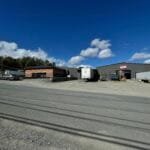
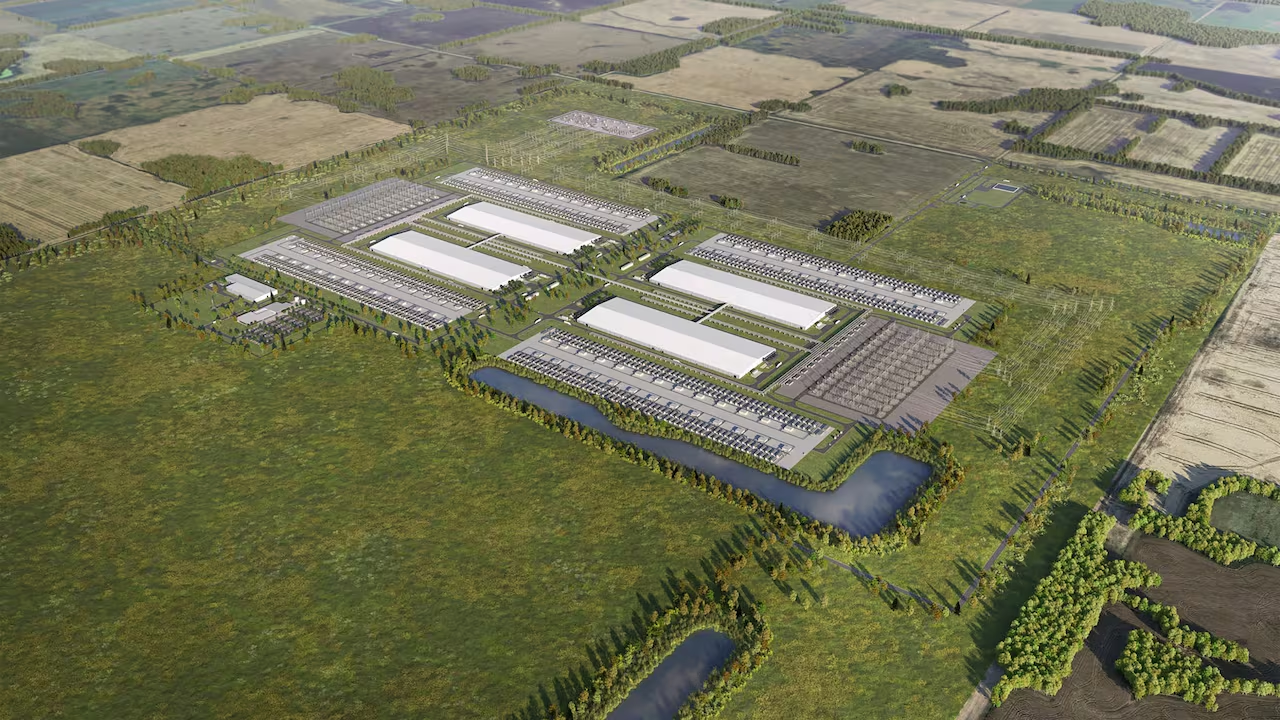
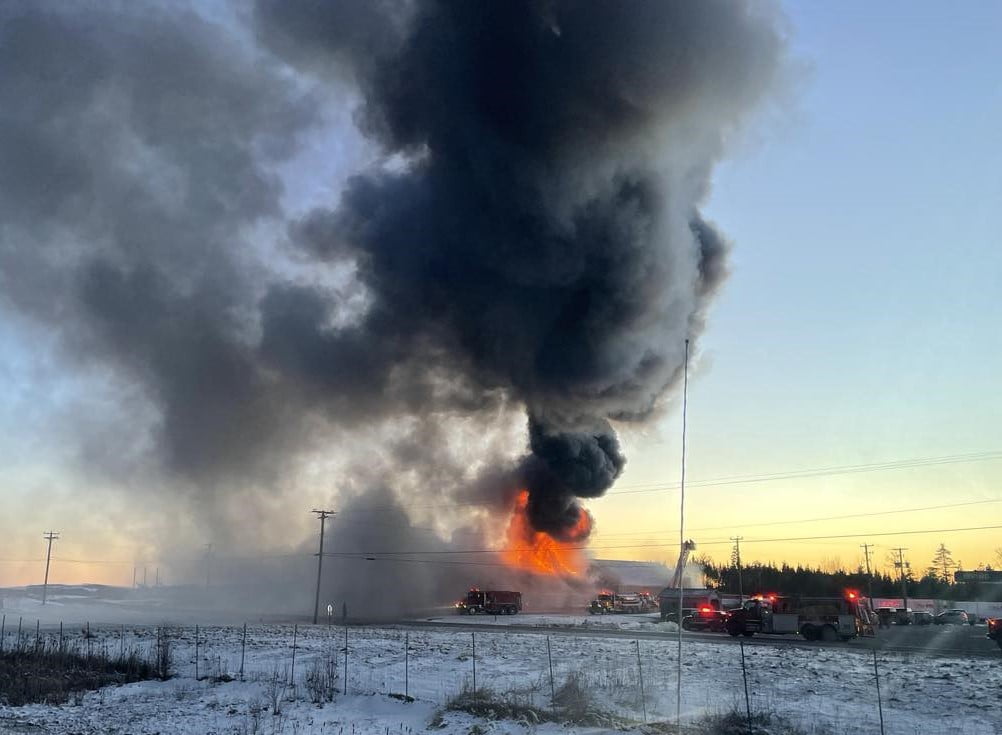
The Covered Bridge Potato Chips plant in Waterville burned to the ground on March 1, 2024. Since then, the company has renovated a former storage warehouse in the Woodstock Industrial Park and turned it into its main production plant. Prior to that, Covered Bridge Chips used other chip companies to produce the chips, then seasoned them at the Woodstock location.
In its first statement of claim against the insurance company, Covered Bridge said it had received an advance payment of $19.97 million in Nov. 2024. A short time later, it said it was paid $9.35 million, but the insurance company disputed other equipment claims.
The suit alleges that Co-operators did not adequately provide equipment valuation, and high staff turnover at the insurance company contributed to further delays. The statement says five different experts were assigned to their case. Covered Bridge also says that Co-operators has only paid $4.47 million in interruption coverage, even though the company said that as of July 31, 2025, it had over $15 million in interruption damages.
They are requesting that Co-operators cover the outstanding property loss claim of $2,421,720.78. They are also asking the Court of King’s Bench to order the insurance company to pay their outstanding Business Interruption Loss payout of $10,678.036. They are also asking for damages and legal costs.
As for the broker’s lawsuit, Covered Bridge alleges that between 2007 and 2021, the insurance broker, David Asbell, renewed and amended their policies as the company grew and evolved. When Asbell sold to Thompson in 2022, additional coverage was added as the company improved its property. The last amendment to the policy made before the fire was Jan. 2024, as part of their renewal process.
Covered Bridge alleges that they “advised Thompson of the growth of its business.” Covered Bridge requested Thompson “take all necessary steps to review and understand Covered Bridge’s business and to provide advice on Policy coverages and limits to ensure that Covered Bridge was fully insured for ht eproperty and business interruption losses arising from a loss of the building due to a fire or other peril.”
Covered Bridge says that, “but-for the brokers’ negligent failure to provide Covered Bridge with reasonable and accurate advice respecting the placement, amendment, and renewal of the policy, including reasonable and accurate advice respecting the adequacy of the policy’s coverage and limits… Covered Bridge would have instructed the brokers to amend and renew the policy so Covered Bridge’s property was fully insured to its replacement value and that Covered Bridge was fully insured for its business interuption losses.”
The company is seeking damages from both brokers for “negligence, negligent misrepresentation, breach of contract and/or breach of fiduciary duty, interest, and costs.”