Lawyer critical of corporation, municipal leaders
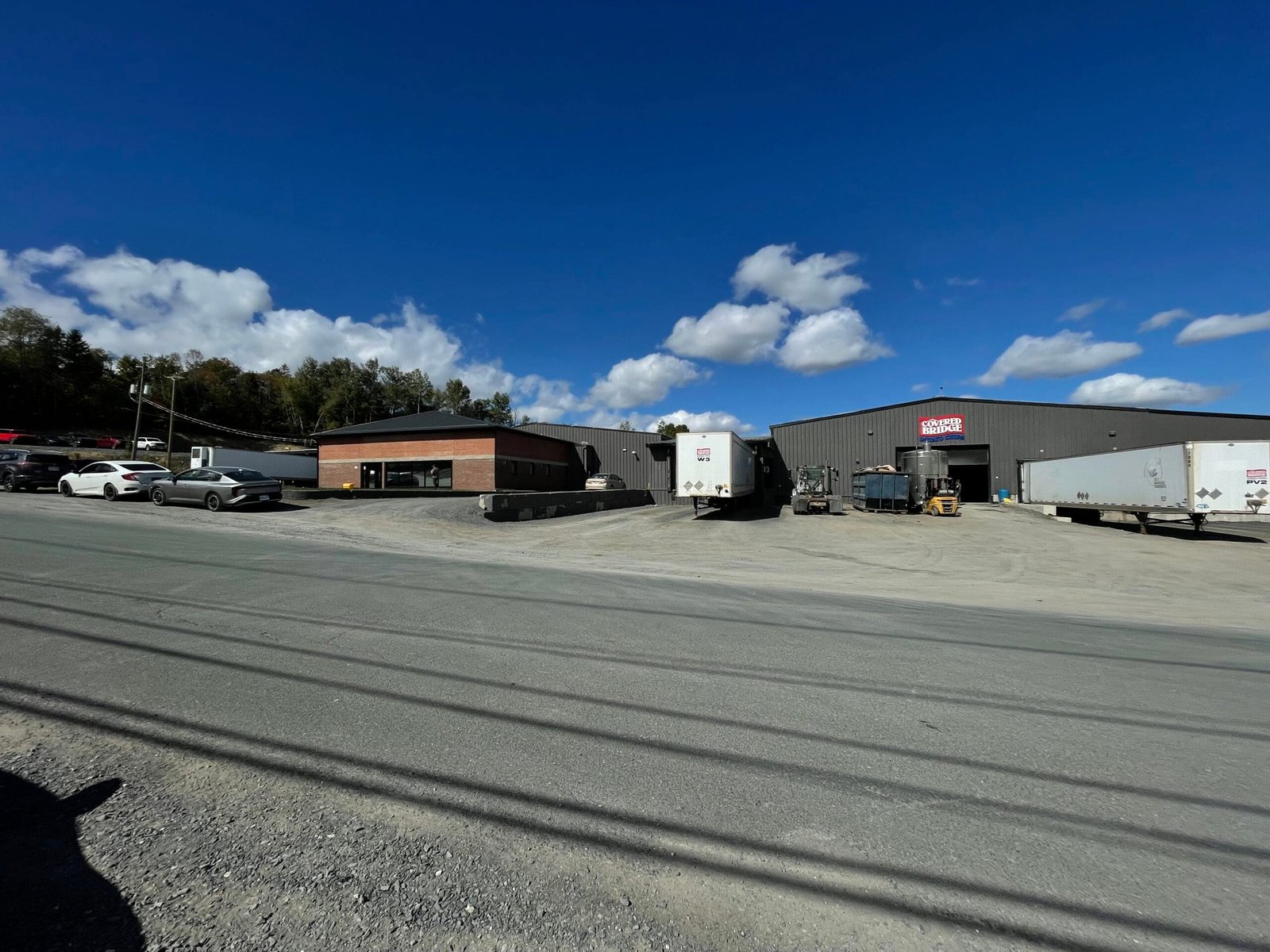
A group of homeowners living next to the Covered Bridge Potato Chip plant in Woodstock has secured a lawyer and plans to sue the snack company, but before that can happen, they must first make their case before the provincial Farm Practices Review Board (FPRB).
“The logical place to start was before the board,” said lawyer Basile Chaisson, K.C, with the Bathurst law firm Chaisson & Roy. “We need to clear up if the Farm Practices Review Board has any say. We are confident we are going to cross that threshold, and the board will decline jurisdiction, and that will allow us to move on to the Court of King’s Bench.”
The complaints were filed with the board on May 4.
The FPRB addresses complaints related to odour, noise, dust, vibration, light, smoke, or other disturbances originating from an agricultural operation. It enforces the Agricultural Operation Practices Act, which was established to protect farmers from complaints arising from normal farming operations.
A 2023 lawsuit in Richibucto against Coastal Shell Products was initially rejected on the grounds that the neighbours of a shellfish company hadn’t first complained to the board. The plant produced agricultural fertilizer.
Chaisson said this precedent means homeowners had no choice but to take this legal route.

A total of 16 complainants who own 17 homes adjacent to the chip plant have filed individually.
Their claims allege that “operations at the Woodstock facility have created persistent conditions that have negatively and substantially affected nearby homes and properties. Residents cited ongoing impacts and safety concerns, including excessive noise, industrial odours, intense lighting, heavy truck traffic, and the removal of natural vegetation that previously acted as a buffer between industrial operations and residential areas.”
Covered Bridge Potato Chips’ original plant in Waterville burned down in March 2024. The company initially turned its Charles Street warehouse into a seasoning plant, while other factories were contracted to fry chips.
In 2025, the company installed three chip fryers and expanded the Woodstock plant. The company has yet to announce plans for the old factory site.
The River Valley Sun reached out to Covered Bridge Potato Chips.
In an emailed statement, Brook Dickinson, the company’s executive vice president, said he would need time to bring the “team up to speed on the matter” and told the River Valley Sun to reach out for comment in a few days.
The River Valley Sun also asked the Town of Woodstock for comment on the legal action.
“The town cannot make a comment on any matter currently before the court,” wrote town communications officer Alan Bowden-Ball in an email.
The residents’ lawyer said the company has had many opportunities to offer alternatives to the homeowners, striking a balance between industrial needs and the neighbours’ basic right to enjoy their properties.
“I believe that having them move out of town would certainly alleviate the problem. Are there any other alternatives? Maybe there were. I am told, however, that there had been many attempts at discussions, but to no avail,” said Chaisson.
The only direct communication between the company and residents was a one-hour meeting with two homeowners, held after they had presented their case to the Woodstock Town Council on behalf of the residents in Oct. 2025.
“We saw emails (through Right to Information requests) from town officials suggesting (to plant owners) that they invite people over,” said resident Gordon Porter. “The two residents were given some information, and basically, the same message we’ve heard before: that this is not a problem, there isn’t any terrible noise, and there is no effect, and let’s just keep rolling along.”

Porter said his group has been in a perpetual revolving door since last summer.
“Basically, the town says they can’t do anything, even enforce their own bylaws, because of provincial regulations that allow industrial actions. Provincial officials say it’s a municipal government issue, so that’s where it was left.”
Chaisson said their case is strong.
“It’s not that these people bought houses near an existing plant, it’s the other way around,” he explained. “One would have expected that the municipal authorities, whoever they were at that time with the rezoning, would have had greater concerns for the residents.”
Chaisson said the municipality needs to take some responsibility for what residents are dealing with.
“Maybe they were mesmerized by the prospect of job creation and maybe a higher tax base,” he said. “As I recall, there is an election on Monday in Woodstock, so there is still time to hold those people to account for what they have decided. (Ask them) how they plan, moving forward, to reconcile what appears now to be a very difficult landscape between the (Covered Bridge Chips) and the neighbours.”
As the documents were being filed, Porter said that Covered Bridge Chips was actively working on another plant expansion.
“They already have three big structures they put up in the last year, and now they are doing another. They are just barrelling right straight ahead,” he told the River Valley Sun.
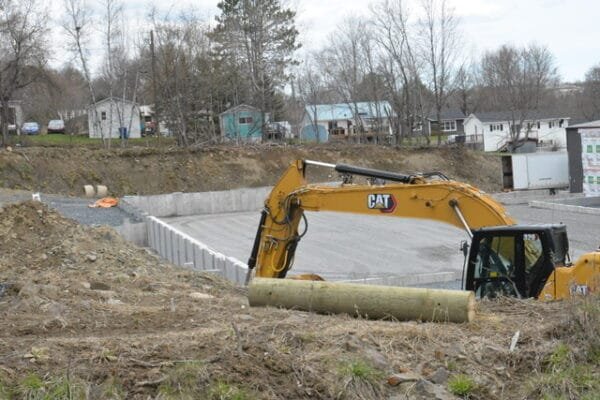
The new facility’s fryers are fueled by a 30,000-litre propane tank located near homes in the neighbourhood, prompting safety concerns among residents.
Porter says the entire situation is upsetting.
“I feel sad about the whole thing,” he said. “This summer will be 51 years since we built our house. We’re all just shocked. We didn’t worry about municipal bylaws or who was doing what because we always felt it was in good hands. We’re all sad. We’re also feeling bad that we are being painted as being against employment or employees. That’s not true.”
The economic impact of the potato chip plant is already being felt by some residents. Porter said one of his neighbours recently filed for a property tax reassessment because the plant is in their backyard. They saw a $70,000 drop in their home’s value.
“Many of us have lived here peacefully for generations,” said Melody Hannah, who lives adjacent to the plant. “The unexpected scale and intensity of industrial activity now taking place have fundamentally changed daily life in our neighbourhood for the worse.”